LDX3 London · June 2026
Your problem isn't the monolith.
It's the data.
Pramod Sadalage · Distinguished Engineer, Thoughtworks
Six years of monolith. Eighteen months of microservices.
Same engineers. Same data. Different outcome.
Architecture endures when teams align on data lifecycles, not just APIs.
Five disciplines · we'll walk all of them
🙋Raise your hand if none of these are true in your ecosystem.
Rot doesn't start at the deployment boundary
It starts at the schema
Writes to any table are allowed.
No persistence-layer gatekeeper.
Cross-domain joins in hot paths.
Read paths span domains.
Retention rules vary across teams.
Per-team, per-table policies.
Shared database. Different vocabularies.
One schema, multiple consuming teams.
Penultimate Markets, 2022. One deployment. 120 engineers. 8 markets.
01·Ownership
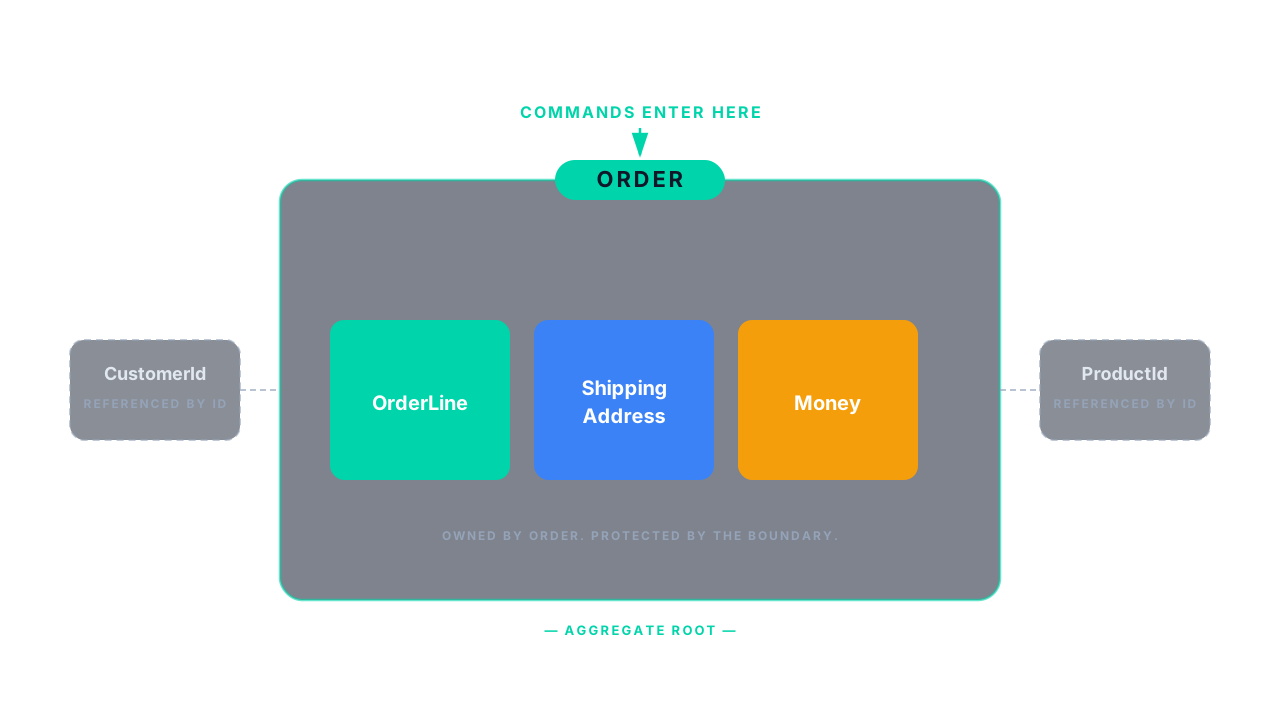
Aggregates own their invariants.
01·Ownership
What this looks like in practice
Somewhere in the tax codebase…
⊗ ASKING
var order = orderRepo.findById(id);
if (order.state() != DRAFT)
    throw new IllegalStateException();

var subtotal = order.lines().stream()
    .map(l -> l.price().multiply(l.qty()))
    .reduce(ZERO, BigDecimal::add);

order.lines().forEach(l -> {
    var rate = rateFor(order.address());
    l.setTaxRate(rate);
    l.setTaxAmount(l.price().multiply(rate));
});

order.setSubtotal(subtotal);
order.setState(TAXED);
orderRepo.save(order);
✓ TELLING
orderService.applyTaxes(
    orderId, taxBreakdown);
Tell, don't ask.
02·Contracts
Other teams consume contracts, not tables.
02·Contracts
The contract is the boundary.
Versioned. Owned by orders-team. Published with a guarantee.
03·CI fitness
Discipline is not a wiki page.
It's CI exit code 1.
03·CI fitness
Fitness functions for data boundaries.
@AnalyzeClasses(packages = "com.penultimate")
public class DataBoundaryFitnessFunctions {

  @ArchTest
  static final ArchRule no_cross_domain_persistence_access =
    noClasses().that().resideInAPackage("..tax..")
      .should().accessClassesThat()
      .resideInAPackage("..orders.persistence..")
      .because("Tax reads OrderPlaced events. Tax does not query Order's tables.");

  @ArchTest
  static final ArchRule writes_only_via_aggregate_root =
    noClasses().that().resideOutsideOfPackage("..orders.domain..")
      .should().callMethod(OrderRepository.class, "save", Order.class)
      .because("Order's invariants live in Order. No exceptions.");

  @ArchTest
  static final ArchRule events_versioned_and_immutable =
    classes().that().areAnnotatedWith(DomainEvent.class)
      .should().haveSimpleNameEndingWith("V1")
      .orShould().haveSimpleNameEndingWith("V2")
      .andShould().haveOnlyFinalFields();
}
Three rules. One CI build. The four failure modes — blocked at the door.
03·CI fitness
Other fitness functions you'll add
Schema migration linter
Expand / contract enforcement.
Contract stability test
Pact, schema-registry compatibility.
Cross-aggregate join detector
SQL log analysis or query plan inspection.
Event schema validation
In CI, against registry.
Lifecycle / retention assertions
Per-table TTL declared, enforced.
+
your next one
04·Safe migrations
Migrations expand. Then contract.
Every step is reversible. None of them is a flag day.
Add the new column nullable. Dual-write from the app.
Drop the column. Old reads were never touched.
Populate new column from old. Idempotent, restartable.
Re-run. Or pause and resume; the script is a fact, not a flag.
Reads move to the new column behind a feature flag.
Flip the flag back. Both columns still hold the truth.
Stop writing the old column. Drop it in a later deploy.
Only safe once no reader has touched old for a full retention window.
05·Decompose along seams
The monolith doesn't fail.
It stops fitting.

05·Decompose along seams
Three pressures. Three triggers.
Decomposition didn't start with a plan. It started with incidents.
Catalog publish p99 hit 800 ms.
Search team needed regional read replicas — fast.
Audit flagged tax record retention drift.
Tax team needed immutable, append-only storage — for seven years.
Payments outage cascaded to checkout.
Payments team needed an isolated failure domain — and a stricter SLA.
05·Decompose along seams
The pressure was not traffic. It was lifecycle.
Search
Tax
Payments
Consistency
Latency
Retention
Isolation
→ Cache at the edge.
→ Append-only ledger.
→ Bulkhead for blast radius.
05·Decompose along seams
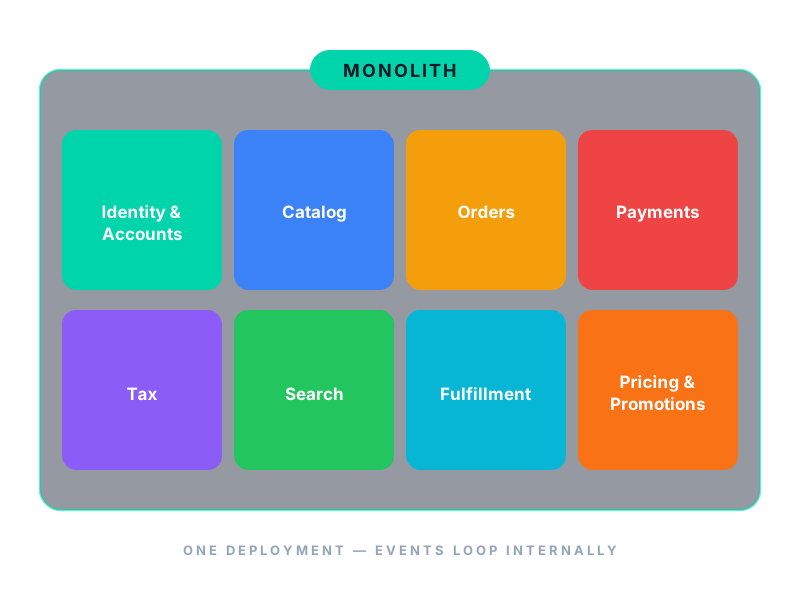
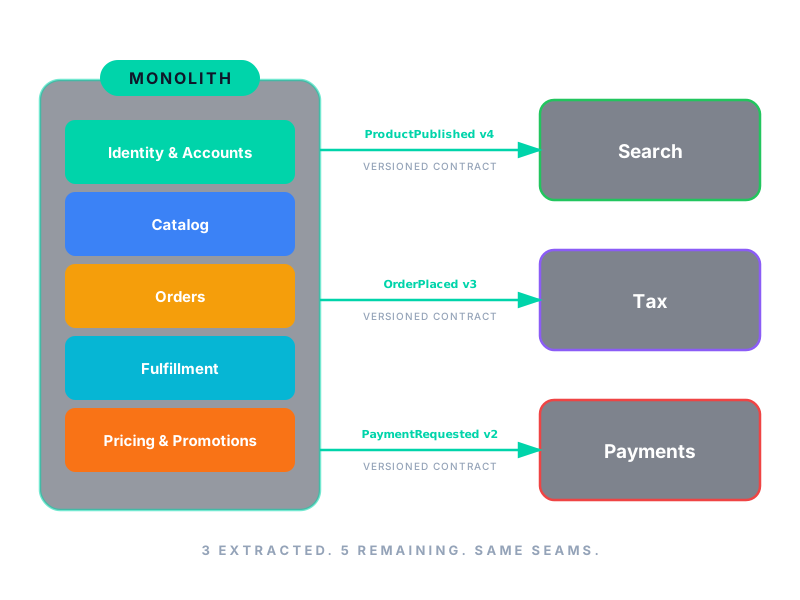
Same colors. Same domains. Same teams.
Before (Year 4)
After (Year 7)
05·Decompose along seams
Aggregates become extraction boundaries.
05·Decompose along seams
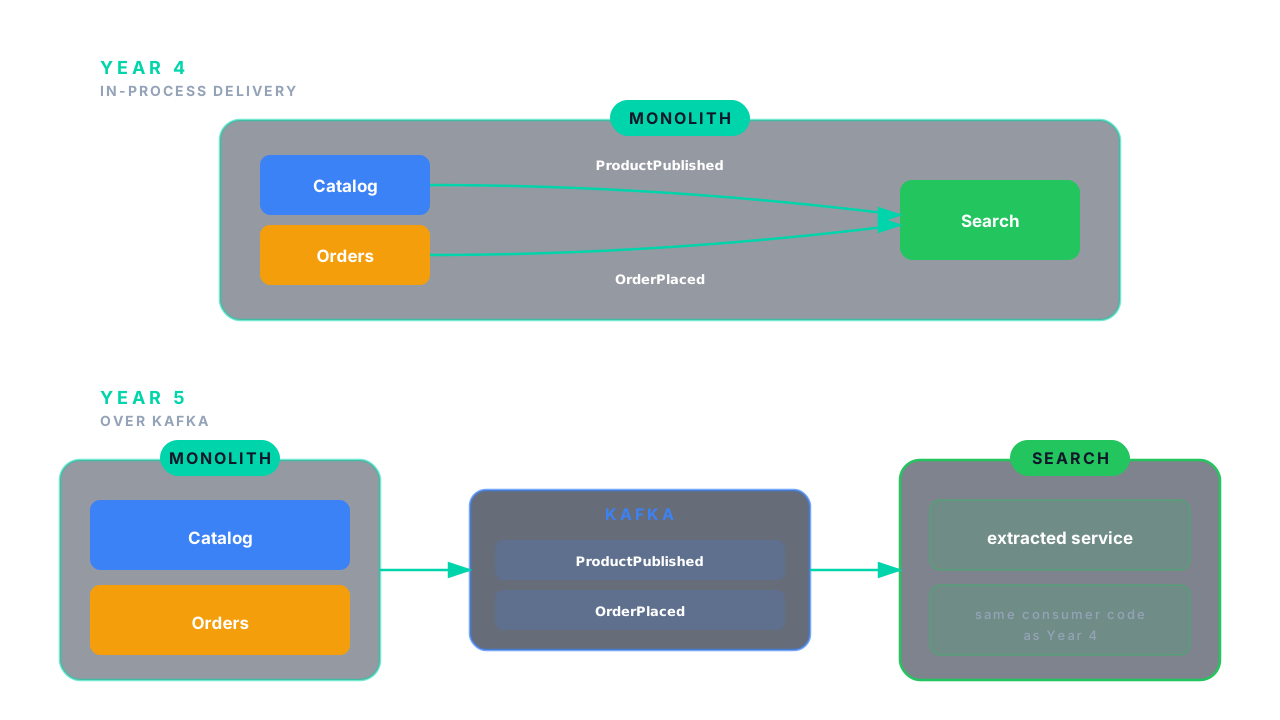
Same contract. Bigger blast radius.
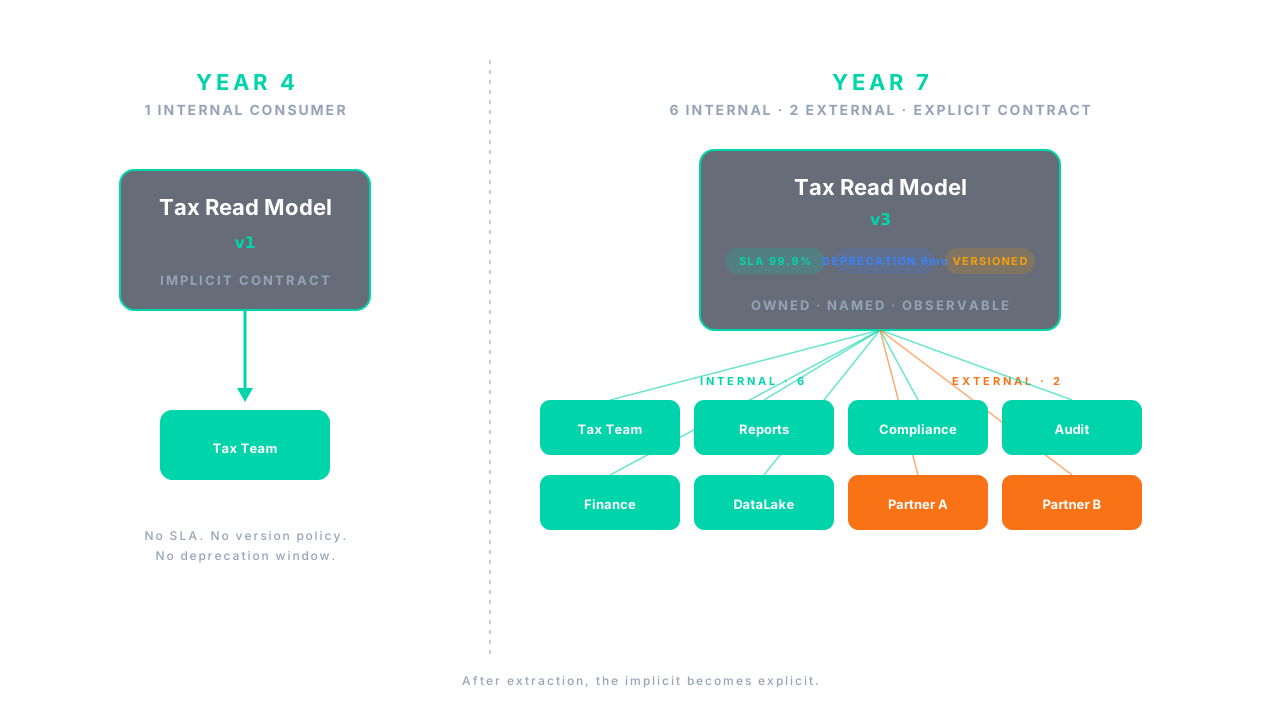
05·Decompose along seams
Process managers replace transactions.
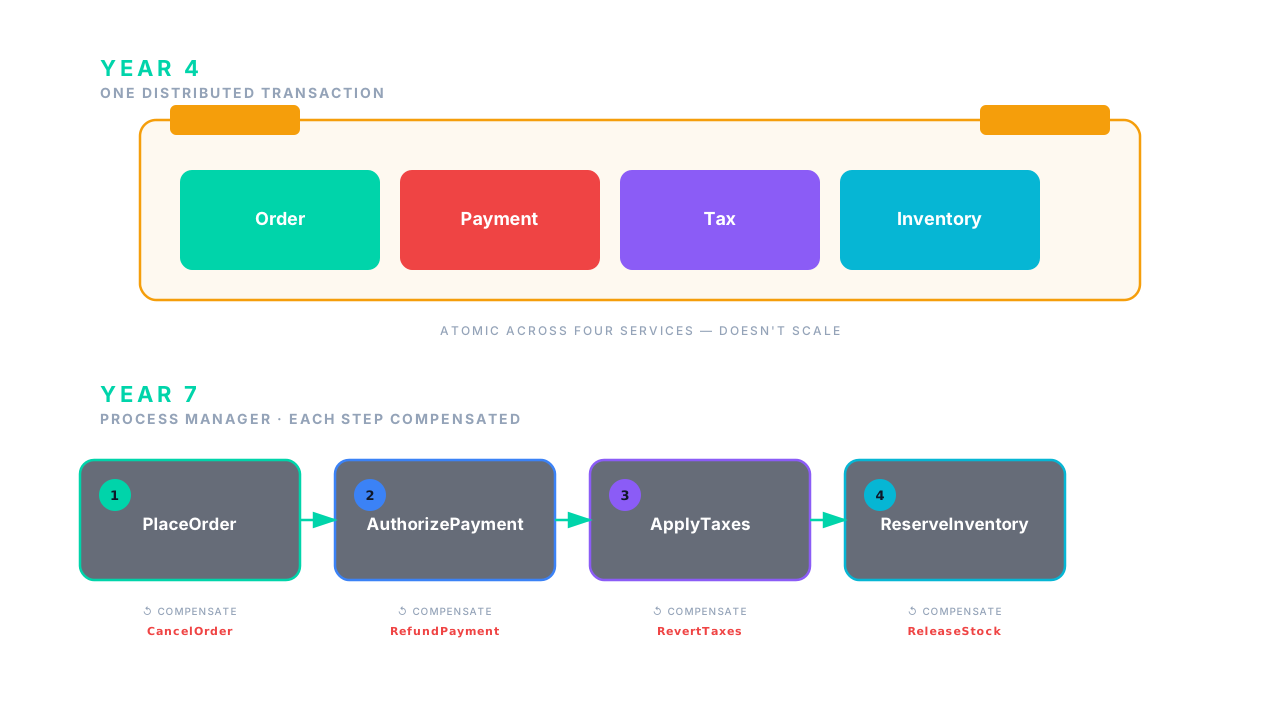
05·Decompose along seams
Duplication owned by a contract is not debt.
It's autonomy.
Tax keeps its own copy of order line items.
Search keeps its own denormalized catalog projection.
Both update from events; both own their schema.
In 2026
The cost compounds.
Agent tools
over-expose data through naively converted APIs.
AI-assisted code
privilege-escalation paths. +153% design flaws.
Commit volume
more commits in fewer, larger PRs. Review attention didn't scale.
AgentRaft 2026 · Apiiro Fortune 50 telemetry 2025
AI doesn't change the principles.
It compounds the cost of getting them wrong.
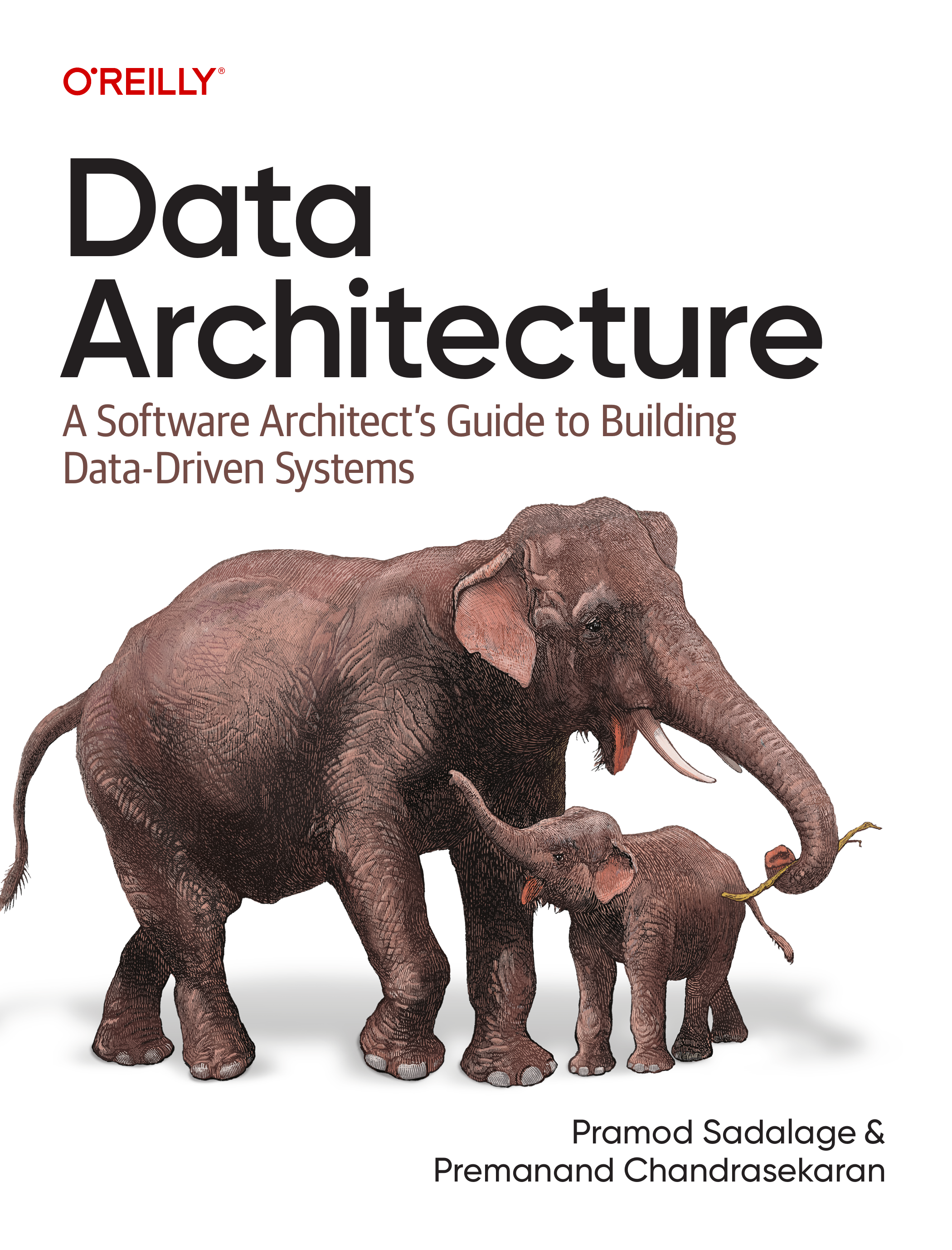
Want the deep version?
Your Monday Morning Actions
Encode ownership.
Which team owns which aggregates? Write it down this week.
Publish contracts.
Events and read models, versioned and owned.
Verify in CI.
Fitness functions for boundaries, contracts, migrations.
Make migrations safe by design.
Expand, then contract. Always.
Decompose along seams when lifecycle pulls.
Not when traffic pulls. Not when fashion pulls.
Your monolith will stay modular longer.
Your decompositions will be evolutionary, not traumatic.
What that looked like at Penultimate
Year 4 → Year 7. Same headcount. Same teams.
Thank you.